
2026.02.03
Setsubun — A Kaiseki Experience of Japan’s Seasonal Turning
By Chef Yuuki Tanaka, owner of Ise Sueyoshi — Tripadvisor Best of the Best: Japan #1, World #12.(source).
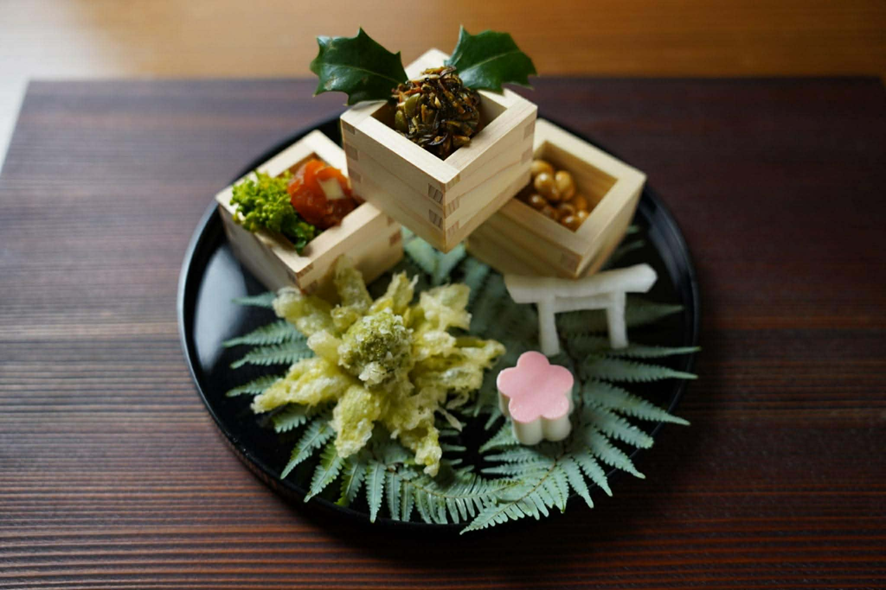
Turning of Seasons
“Oni wa soto, fuku wa uchi” (“Out with the bad spirits, in with good fortune”). On the night of February 3, Japan celebrates Setsubun with this phrase. It is a traditional custom to clear away negativity and welcome good luck.
For centuries in Japan, the change of seasons was believed to be a time when misfortune could enter more easily. Setsubun is a day to “reset” at this seasonal boundary. It is not only a lively event—it is also a quiet ritual to prepare for the next season. People place roasted soybeans in a small wooden box called a masu, and throw the beans out the door to symbolically drive away bad luck. Some also place holly leaves and the head of a sardine near the entrance. These simple actions reflect a Japanese way of thinking: we protect what we value by preparing with care.
Because we take time to cleanse and prepare, Risshun (the “first day of spring” on the traditional calendar, February 4) feels even brighter. In this sense, Setsubun is like the evening before spring arrives—a calm celebration of what is about to begin.
At Ise Sueyoshi, our kaiseki in this season is designed to let you feel Setsubun and the approach of Risshun through all five senses—aroma, warmth, texture, presentation, and timing. Kaiseki is a uniquely Japanese dining experience that celebrates the changing seasons. If you are visiting Japan, we warmly invite you to enjoy this moment of seasonal beauty with us.
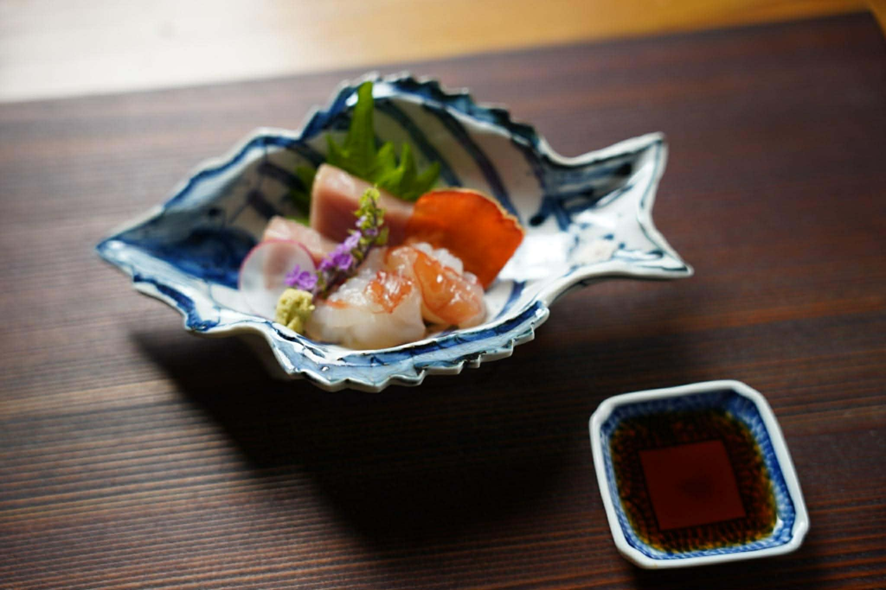
First Spring Breath
Risshun—the “first day of spring” on Japan’s traditional calendar—marks the start of spring in name. Yet the air is still cold, and mornings and evenings still carry winter’s lingering chill. That is why spring in Japan does not arrive all at once; it begins as a small, subtle “breath.”
The daytime sunlight softens just a little. The gentle bitterness of leafy greens feels fresher and more alive. The sweetness of root vegetables loosens as warmth settles in. A trace of citrus brightens the outline of the finish. And the first wild mountain vegetables begin to bud quietly—listening for these tiny changes is one of early spring’s true pleasures.
After Setsubun, the night that symbolically sweeps winter away, we step into Risshun and welcome the season ahead. Course by course, the season rises by a single step, and a calm brightness begins to glow within.
Travel memories live not only in scenery, but also in these “small differences.”
Please take your time and taste the first breath of spring.
Read more: What is Kaiseki cuisine?
See more of our seasonal kaiseki and behind-the-scenes moments on Ise Sueyoshi Instagram
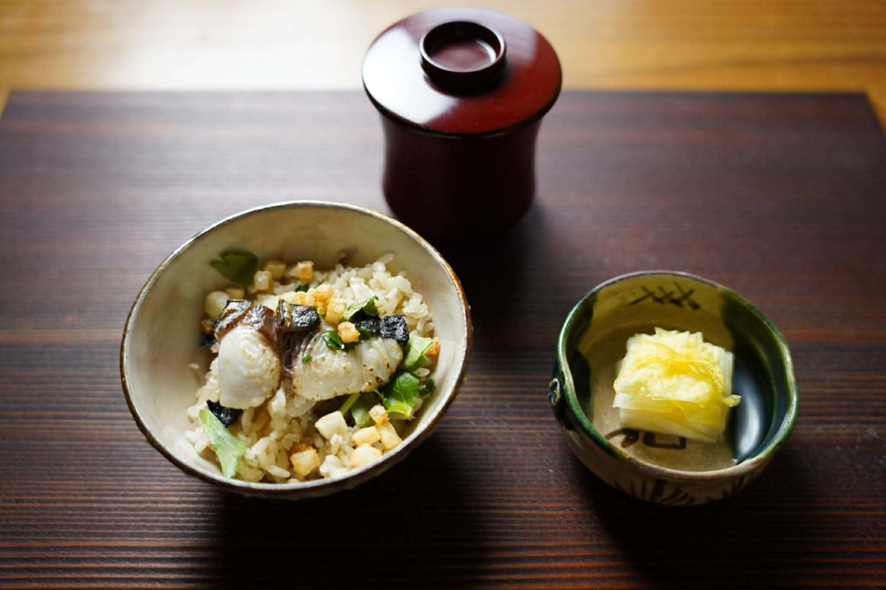
Guest Voices
Mar 2025 • Family
I was looking for restaurants near our hotel in Roppongi and given that my travel partners and I don’t eat raw fish and aren’t overly adventurous seafood eaters, fine dining options in Tokyo can be a challenge. I stumbled upon Ise Sueyoshi and the positive reviews inspired me to book it. The private room was the same price as the counter so I had booked that without thinking too much about it. I underestimated how amazing this dinner was going to be. The chef/owner takes immense pride in his restaurant and the experience of his diners and he is exceptionally detailed oriented and misses nothing. He noticed in my reservation that I mentioned “no raw fish” and he proactively made sure to cook all the fish that was supposed to be raw for us before I even asked about it. I am also not a huge fan of a lot of seafood but the way everything was presented and flavored made even me like it. The private room and service were also a highlight. The owner works directly with all of his suppliers and has a book on the table explaining where all the food comes from. Wow. I would highly recommend this restaurant to anyone who wants a traditional kaiseki meal in Tokyo, especially anyone who is nervous about not being an adventurous eater or has dietary restrictions.
We are proud to continue delivering an exceptional dining experience that earned us the Tripadvisor Travelers’ Choice Best of the Best 2025 award, ranking among the Best Restaurants in Tokyo. Our commitment to excellence in service and our dedication to offering the finest kaiseki dining experience in Tokyo remain unwavering. Discover more about our journey to becoming one of the best restaurants in the city[here].

Chef’s Hometown Harvest
From Chef Yuuki’s hometown—where the scent of earth and tide lingers—we hand-select the season’s purest flavors.
Read more: Wagyu Beef Guide
Read more: Fugu (Pufferfish) Guide
Read more: Ise-ebi (Japanese Spiny Lobster) Guide
Read more: Tuna (Maguro) Guide
Kaiseki for Everyone
To share the joy of kaiseki with everyone—that is our wish.
That is why we gladly accommodate vegan, vegetarian, and gluten-free requests whenever possible. To prepare thoughtful, seasonal substitutions without disturbing the harmony of the course, please inform us at least 5 days before your visit; special sourcing and preparation are required.
Kaiseki basics → What is Kaiseki cuisine?
Our approach to dietary requests → Our Philosophy for Dietary Restrictions
Visit Ise Sueyoshi
- Location: 12 minutes from Roppongi Station / 8 minutes from Hiroo Station
- Seatings: 5:00 PM & 8:00 PM (simultaneous start). Saturdays also at 12:00 PM (noon). (Reservations only.) / Closed Sundays
- Course: ¥22,000 including service & tax
Book your experience → Reservation Page
Booking Tips
With just 10 seats, we open reservations up to 180 days in advance. For anniversaries or special trips, we recommend booking as soon as your dates are set.
Dietary needs? Please notify us at least 5 days in advance so we can prepare thoughtful, seasonal substitutions. Some adjustments may incur an additional charge.
Follow Us
See seasonal dishes & behind-the-scenes → Ise Sueyoshi Instagram
 Follow Me